
Talking About Your Child's Diagnosis as a Newcomer Parent
In short
You do not have to tell everyone, and you do not have to do it all at once. Start with the people who make your life easier, not harder. Shame is common in many cultures. It is not a sign you have done anything wrong.
When your child is diagnosed with a disability and you are far from home, two hard things arrive at once. You are learning a new system. And you are deciding who to tell, and how. This post is about the second one.
Here is the short version. You decide who needs to know. You can tell people slowly. And the shame you may feel, or fear from others, is common. It is not a verdict on you or your child.
Why this feels harder when you are far from home
In many cultures, a disability is not spoken about openly. Sometimes it is treated as something to hide. When you arrive in a new country, you carry that with you, and you also lose the people who would normally sit with you through hard news.
I have someone I talk to in Calgary. We met online, because we have the same situation with our children. We have never met in person. It does not matter. The right conversation with one person who understands changes everything. That is often what is missing: not information, but someone who has been where you are.
For many of us, helping quietly within the family is just part of who we are. It is part of us. Formalizing that support does not replace it. It adds to it.
You decide who needs to know
You do not owe anyone the whole story. Not neighbours, not distant relatives, not people who will only make it heavier.
Start with the people who make your daily life easier. A teacher who needs to understand your child. A doctor. One family member who will show up, not judge. That is enough to begin.
You can also say very little and still get help. "My child needs some extra support right now" is a full sentence. You do not have to explain a diagnosis to everyone who asks.
Telling family back home
This is the one that keeps parents awake. Family back home may not understand disability the way it is understood here. They may offer advice you did not ask for. They may go quiet.
You are allowed to wait until you are ready. You are allowed to tell them in pieces. And you are allowed to protect your child from opinions that do not help.
When you do tell them, keep it simple and calm. Say what is true, say what your child needs, and say what you are doing about it. You are not asking permission. You are letting them in.
When this is not the right kind of help
I want to be honest about what I can and cannot do. I can sit with you while you work out who to tell and how. I can help you find the right services. I am not a clinical psychologist, and I do not provide therapy.
If you or your child is in crisis, call 911. For health advice at any hour, call 811 for HealthLink BC. If what you are carrying is heavier than a conversation can hold, I will help you find someone who is trained for that. Naming that is not a failure. It is part of getting the right help.
- ·Sibling support: the brothers and sisters carry a diagnosis quietly too.
- ·Our story: why Steady Path exists, and who is behind it.
- ·Is this counselling?: once you have named the diagnosis, what kind of support to ask for next.
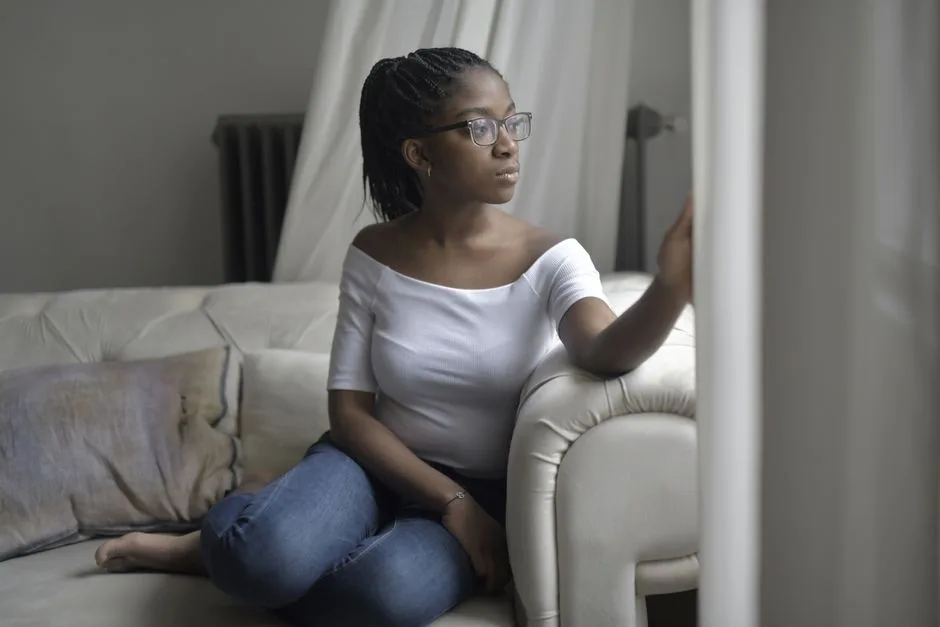 A mother pausing in thought at home
Frequently asked
Q.Is it normal to feel ashamed of my child's diagnosis?
Yes, it is common, especially in cultures where disability is not discussed openly. Feeling it does not make you a bad parent. It is a feeling to work through, not a fact about your child.
Q.Do I have to tell my extended family?
No. You decide who needs to know. Start with the people who make your life easier: a teacher, a doctor, one relative who will support you. Tell others only if and when you choose.
Q.How do I tell family back home who may not understand disability?
Keep it simple and calm. Say what is true, what your child needs, and what you are already doing. You can tell them in pieces, and you can wait until you are ready.
Q.Will talking about it openly make things worse?
Talking with the right people usually helps: a teacher who understands, a parent who has been there. You control who those people are. You do not have to be open with everyone.
Q.My partner and I disagree about who to tell. What do we do?
That disagreement is normal and worth talking through before you tell anyone else. It often helps to decide together on the first one or two people, and revisit the rest later.
Q.Can Steady Path Society help me with this?
Yes, and it is free. I can talk it through with you, help you find the right services, and point you to clinical care if that is what is needed. Steady Path is support and navigation, not therapy.
 A parent making a call from home
Still have questions?
You do not have to carry the decision of who to tell on your own. Tell me about your family, and we will work through it together, free, at your pace.